

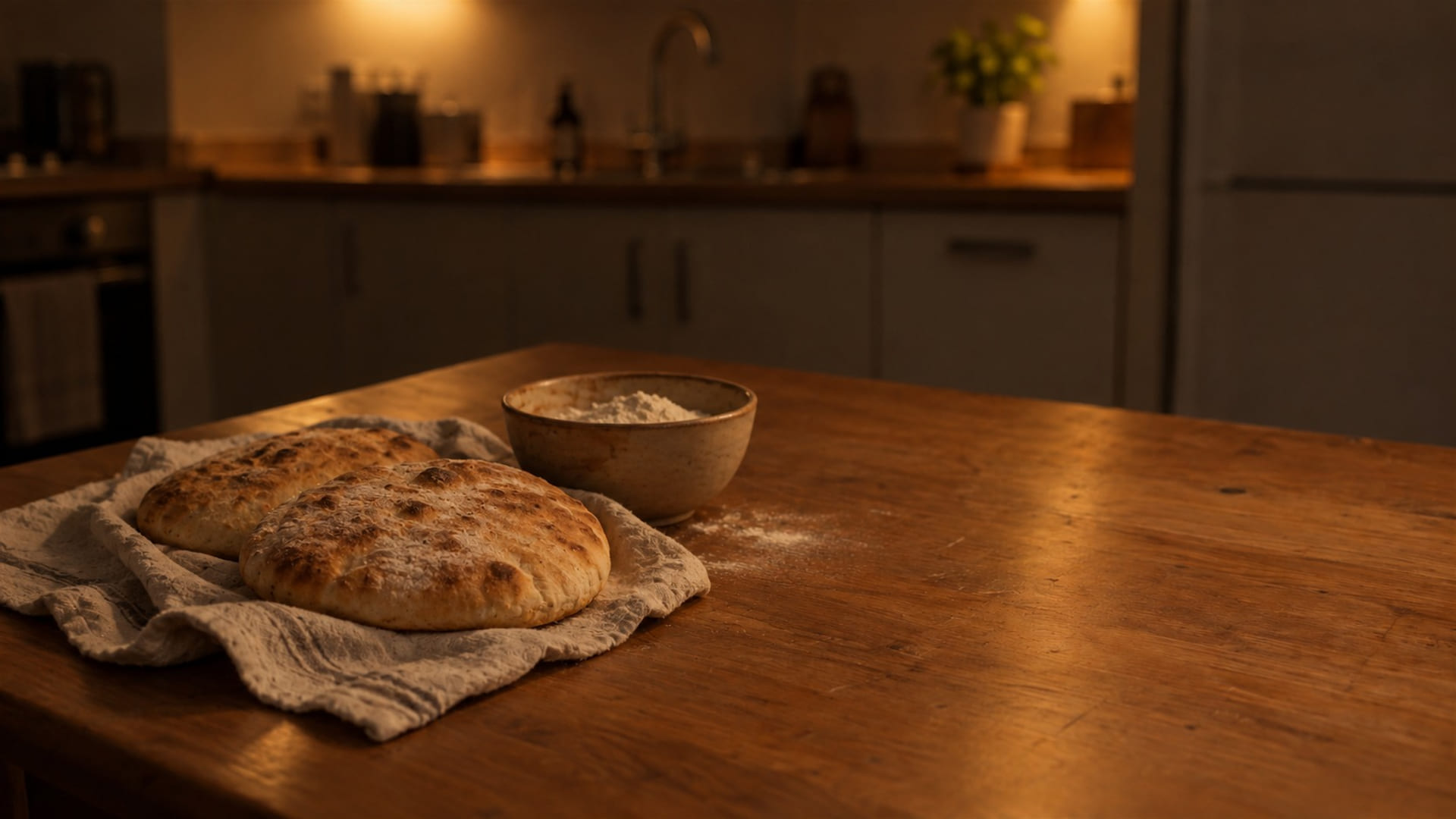
Sally comes from a Bible name. It is an old English pet form of Sarah, often used as a name in its own right, and Sarah, spelled Sara in Spanish Bibles, is the wife of Abraham in Genesis. Behind the Name calls Sally a "Diminutive of Sarah, often used independently." The National Hurricane Center's 2026 pronunciation guide gives it as "SAL-ee," and Spanish Sara is said SA-ra, with the stress on the first syllable. Sally is also one of the names on the published 2026 Atlantic list of storm names.
If you know Sarah's story, you know it includes a very long wait for a child. It is told here as Genesis records it: one woman's story.
If you only have a minute
The name
Sally is an English pet form of Sarah, who is in Genesis.
Words for a long wait
Psalm 13:1-2 asks "How long" four times.
If the wait is yours
Support services are listed below, by country.
From Sarah to Sally
The History of English Podcast says Sarah became Sally because "the 'r' sound was replaced with an 'l'." One commenter on Reddit's r/namenerds put it the same way in 2023: "L can often substitute for R."
Sarah is the Hebrew שָׂרָה, and the lexicons give a range. Strong's H8282 has "a mistress, i.e. female noble; lady, princess, queen." The Jewish Encyclopedia reads Sarai as "my princess" and Sarah as "princess," and records a view that they are older and newer forms of one name. The Bible Gateway encyclopedia offers "princess, or possibly, mistress," and Spanish Sara means "princesa" (Behind the Name). A root meaning describes a word; every Sally is her own person.
Psalm 13:1-2, words for the wait itself
Whatever you are waiting for, Psalm 13 gives words for it. It is a short prayer of complaint asking "how long" four times and turns toward trust only later. Read Psalm 13:1-2, Bible Nudge's passage for waiting:
How long, Yahweh? Will you forget me forever? How long will you hide your face from me? How long shall I take counsel in my soul, having sorrow in my heart every day? How long shall my enemy triumph over me?
It lets you ask the question as often as the night needs. Verses 3 to 5 go on:
Behold, and answer me, Yahweh, my God. Give light to my eyes, lest I sleep in death; Lest my enemy say, “I have prevailed against him”; Lest my adversaries rejoice when I fall. But I trust in your loving kindness. My heart rejoices in your salvation.
Matthew Henry reads verse 3 as a plea for God to step in before the sufferer is overwhelmed, and Enduring Word as an appeal for renewed understanding and strength. Take it as your own words for your own wait. Bible verses for waiting for a spouse reads it for another kind of wait.

Much of Sarah's story is set in tents.
Sarah's wait, in the ages Genesis gives
Genesis 11:30: "Sarai was barren. She had no child." Abram had lived ten years in Canaan when Sarai gave her servant Hagar to him (16:3), he was eighty-six when Ishmael was born (16:16), and ninety-nine when God appeared to him (17:1). At 17:15 Sarai becomes Sarah and a son is promised (Genesis 16 and 17). The wait comes in pieces, across many years.
A long wait for a child is one of the hardest things a person can carry. It is no measure of anyone's faith or worth, and every wait has its own story. If the wait is yours or a loved one's, these services can help: Fertility Network UK in the United Kingdom, RESOLVE in the United States and Fertility Matters Canada in Canada. For pregnancy loss in the United Kingdom there are Tommy's and the Miscarriage Association. See also Bible verses for infertility and what to say to someone who had a miscarriage.
Her laughter
In Genesis 18 and 21 the King James Version has "Sarah laughed within herself" (18:12). She denies it from fear, and the answer is "Nay; but thou didst laugh" (18:15). By 21:6 she says, "God hath made me to laugh, so that all that hear will laugh with me." Isaac means "he laughs."
Jewish commentators propose disbelief, astonishment, fear and in the end joy, and the Jewish Encyclopedia records the laughter without reducing it to one cause. Matthew Henry reads the second laugh as changed to joy. What does the Bible say about doubt reads Sarah's laugh at 18:12; 18:15 and 21:6 carry the denial and joy.
Hagar, in her own right
Hagar is an Egyptian servant of Sarai (KJV "maid," and at 21:10 "bondwoman"). Spanish Bibles print her as Agar. When Sarai has no child she gives Hagar to Abram, Hagar conceives, and the relationship turns bitter: "Sarai dealt harshly with her, and she fled from her face" (16:6). In the wilderness Yahweh's angel finds her at a fountain, and she names the God who spoke to her, in the WEB "You are a God who sees" (16:13), commonly rendered El Roi. The text records the power Sarai and Abram held over Hagar and the power she lacked. It also records that Hagar speaks, flees, meets God and survives.
In Genesis 21 Sarah sees Ishmael and tells Abraham to cast out the servant and her son. Then:
Abraham rose up early in the morning, and took bread and a bottle of water, and gave it to Hagar, putting it on her shoulder; and gave her the child, and sent her away ... The water in the bottle was spent, and she put the child under one of the shrubs.
God hears the boy's voice, and God opens Hagar's eyes to a well (Genesis 21). The traditions read her differently. Genesis Rabbah and the Jewish Encyclopedia keep Sarah as a matriarch and give the Egyptian servant divine attention. Many Christians take Galatians 4:22-31 as an argument about covenant, using the two women as symbols. Muslim tradition calls her Hajar and ties the Zamzam well and the Sa'i to her search for water (Ma'arif al-Qur'an). Delores Williams reads her through the experience of enslaved and oppressed Black women in *Sisters in the Wilderness*. Bible verses for feeling left out reads Hagar too.
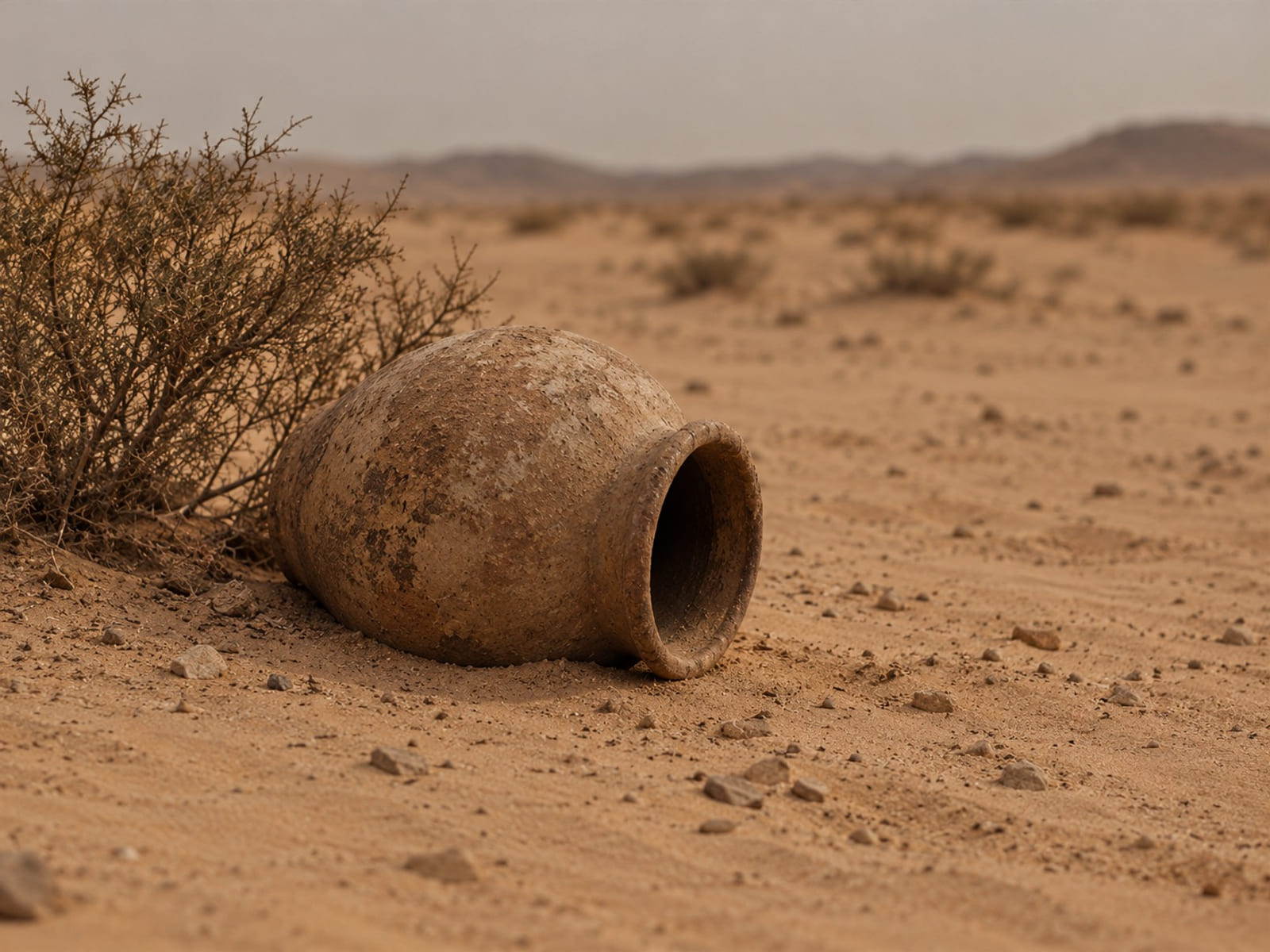
Water is the thing the chapter turns on.
Sarah in later Scripture
Hebrews 11:11 reads, "By faith, even Sarah herself received power to conceive, and she bore a child when she was past age, since she counted him faithful who had promised." Translations and commentators differ on whether the faith there is Sarah's or Abraham's (Hebrews 11). 1 Peter 3:6 ("as Sarah obeyed Abraham, calling him lord") sits inside a household-code passage addressed to Christian communities (1 Peter 3). Romans names her as mother of the children of promise, and Isaiah 51:1-2 points hearers to "Sarah who bore you."
Jewish tradition remembers her as a matriarch buried at Machpelah (Genesis 23). The Orthodox Church in America commemorates the Righteous Sarah among the ancestors of the faith. The Quran refers to Abraham's wife in the angels' announcement of Isaac (11:71-73 and 51:24-30), and Muslim tafsir identifies her as Sarah.
A storm name is a label
Storm names are chosen years ahead from World Meteorological Organization lists. The National Hurricane Center says the six lists are recycled every six years, "the 2026 list will be used again in 2032" (NHC). A name on the list is a label that helps people tell storms apart in warnings, chosen long before any storm forms, and wondering about it is an ordinary thing to do. Official storm information is always at the National Hurricane Center in English and Spanish.
Other names on the 2026 storm lists with a story in the Bible: Isaias, Rachel, Simon, Josephine, Leah, Marco, Omar, Paulette and Zeke.
For a Sally, and for someone waiting
Gentler lines that help:
- For a Sally asked about her name: instead of "Is that in the Bible?" try "Do you know who you were named for?"
- For someone waiting for a child: instead of holding up Sarah's wait as a pattern, try "Her story is one woman's, and yours is yours."
- Instead of anything that ties waiting to conduct, try "A long wait says nothing about your faith, and I am thinking of you today."
Sally has Sarah behind it, and a long history of its own.
Where to go next
Tonight, read Psalm 13:1-2 once, aloud, and ask what you have been waiting for longer than you expected. If a person is the weight, choose one person to tell.
If tonight is harder, please reach a person. In the United States, call or text 988 for the 988 Suicide and Crisis Lifeline. In Canada, call or text 9-8-8. In the United Kingdom and Ireland, Samaritans is on 116 123. In Australia, Lifeline is 13 11 14. Anywhere else, Find A Helpline lists services by country.
Bible Nudge can suggest one passage for what you are carrying. Find a passage.
Words that come up here
Tap a term to see what it means.
Diminutive. A shortened or pet form of a name, such as Sally for Sarah.